Leave Your Message
You know, the handicraft industry is really changing fast these days. Buyers from all over the world are on the lookout for cool new ways to boost production efficiency and up the quality of their products. It’s pretty fascinating to think that the global adhesive market could hit a whopping $50 billion by 2026! So, if you're in the game, understanding techniques like Pvc Silicone Glue Dropping and Injection Molding is super important if you want to keep up with the competition. These methods not only make the manufacturing process smoother but also help ensure that the end products look great and last long—something that's essential for anyone in the handicraft scene.
Over here at Dawning Haze ornament CO., Ltd., we live and breathe the idea that our customers come first and quality is key. We’re totally committed to making top-notch handicrafts and using cutting-edge techniques like those Pvc Silicone methods I mentioned. It really sets us apart as a trusted partner in the global market. By embracing these innovations, we’re all about stepping up our game when it comes to exports, retail, wholesale, and agency services to deliver products that truly reflect quality craftsmanship!
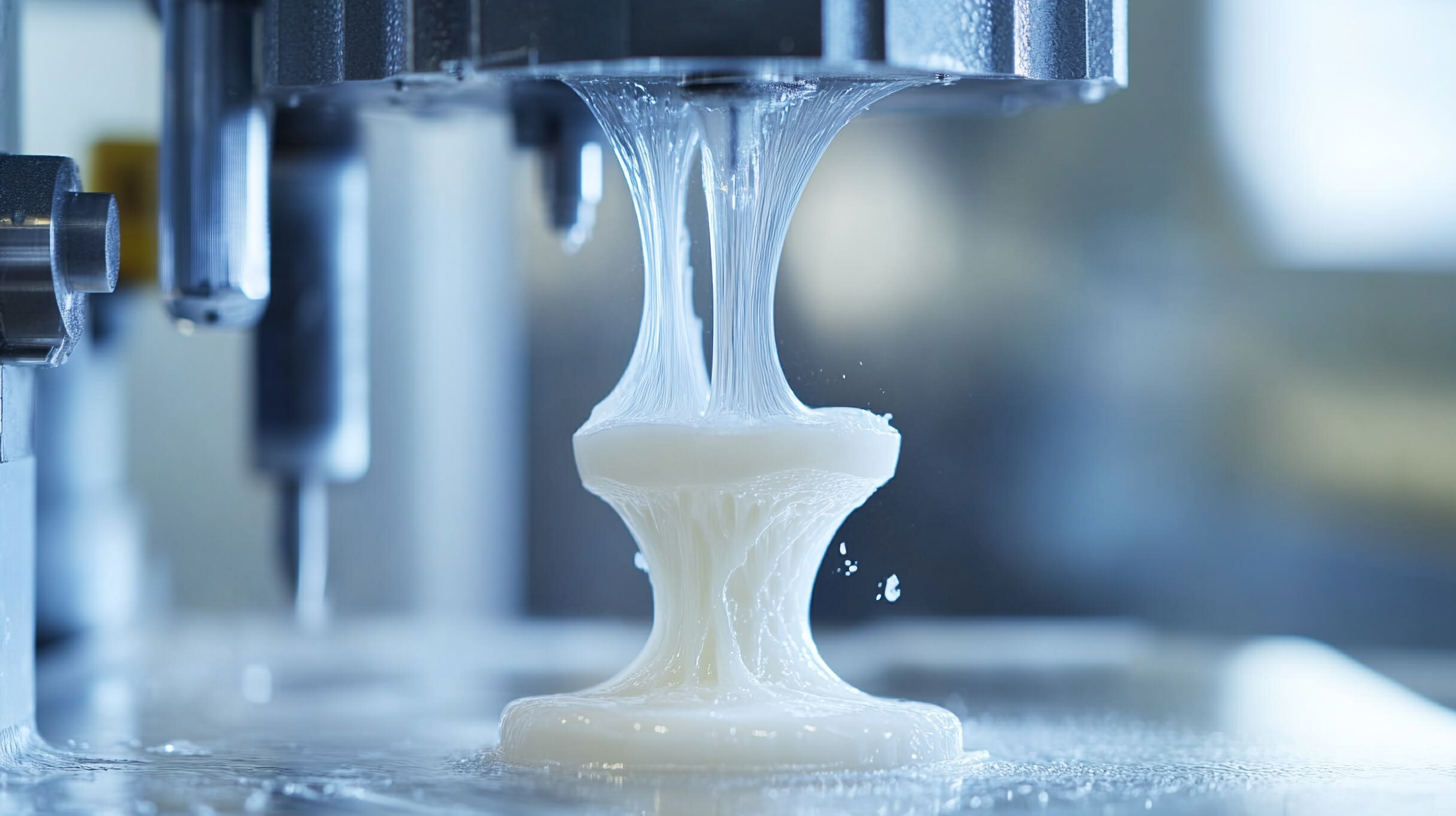
You know, PVC silicone glue is really something special in the industrial world—especially when it comes to drop and injection molding. This glue has got a fantastic mix of flexibility, durability, and it can handle some pretty rough conditions, which is why so many manufacturers love using it to amp up their products. What really sets PVC silicone glue apart is how well it sticks to both hard and flexible surfaces. It creates a super strong bond that can take a beating, even when temperatures go all over the place or when there’s mechanical stress involved. And let me tell you, this glue’s temperature resistance is impressive! It can keep doing its thing whether it’s freezing cold or blazing hot, which is super useful in industries like automotive, electronics, and construction where parts often face all kinds of weather changes. Plus, it’s got this incredible elasticity that allows for movement and expansion, helping to prevent those annoying cracks and failures that come with thermal cycling. Another thing to love about PVC silicone glue is its ability to resist chemicals and moisture. This makes it a great option for places where it might get splashed with solvents, oils, or water. Thanks to its resistance to degradation, it’s built to last in tough industrial settings. Given all these awesome features, PVC silicone glue really shines as a top pick for buyers around the world who want efficiency and top-notch performance in their manufacturing.
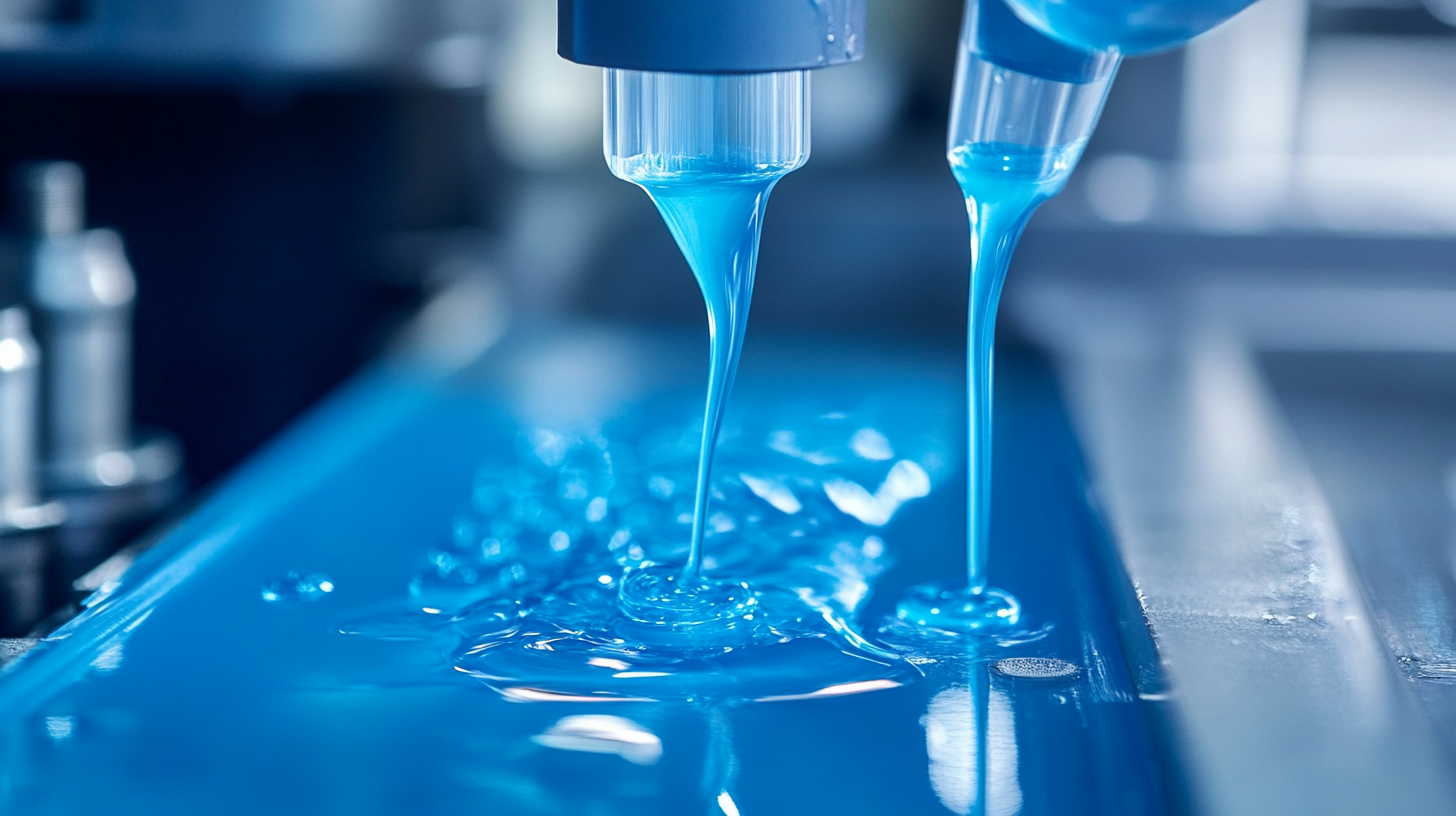
You know, when it comes to injection molding processes, really understanding the materials out there is super important for buyers all over the globe. One material that’s been making a buzz lately is PVC, or polyvinyl chloride. This stuff is so versatile and durable, making it a go-to for all sorts of manufacturing applications! Whether it's in construction or those everyday consumer goods, PVC's got your back.
The perks of using PVC in injection molding are pretty impressive. For starters, its lower melting point means you can save on energy during the manufacturing process, which is great for your wallet and the planet, too! Plus, it's a breeze to color and tweak, so manufacturers can whip up custom products just the way they want them—whether for looks or functionality. And the fact that it works well with various additives? That's just the cherry on top, making it perfect for both rigid and flexible components.
And here’s another thing—PVC is recyclable! That’s a big win with the growing push for sustainable manufacturing. More and more companies are all about being eco-friendly, and the ability to reuse PVC while keeping its quality? It totally gives it an edge in today’s market. So for global buyers, diving into PVC silicone glue dropping and injection molding doesn’t just mean getting top-notch products; it’s also a solid step toward supporting sustainability in their supply chains.
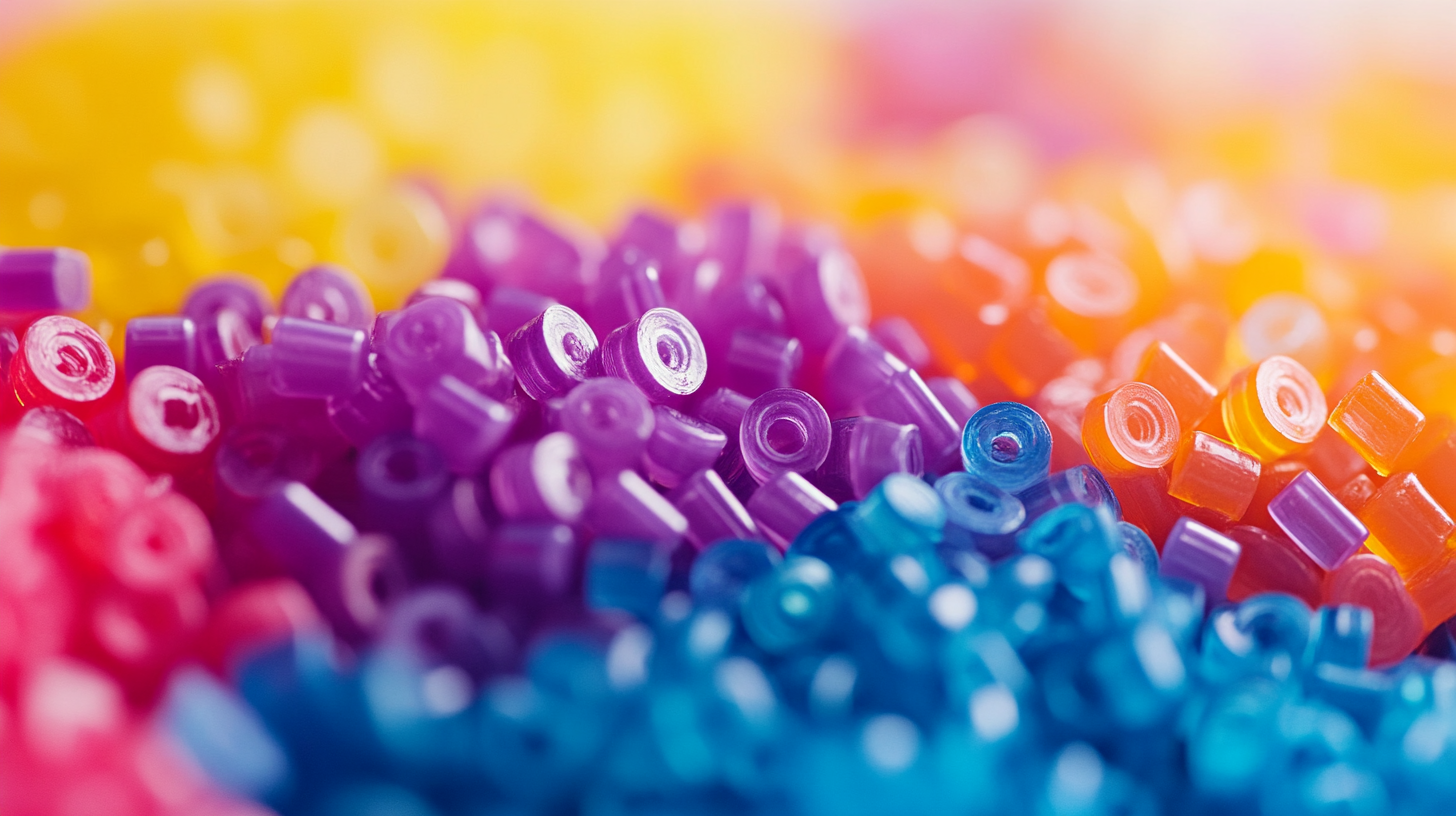
So, when it comes to figuring out the best ways to make PVC silicone glue, two main methods really stand out: dropping and injection molding. Each of these techniques has its own perks and drawbacks, which makes them better suited for different tasks in the manufacturing world. Getting a grip on these methods can really help boost how efficiently things get made and how well the final products perform.
Let’s chat about dropping first. This technique involves squirting precise amounts of silicone glue onto surfaces, usually with the help of automated dispensers. It's especially handy for smaller projects or when you’re working with complex designs where you really need that precision. With dropping, you can control the amount of glue and where it goes, which means less waste and better adhesion. But here’s the catch—it can be a bit slower compared to injection molding, so it’s not the best option if you’re cranking out a ton of products all at once.
Now, switching gears to injection molding—this is where things get faster and more efficient, especially for larger batches. In this method, molten silicone glue gets injected into molds, which speeds up the production of uniform pieces. It’s a superstar for mass production and can save you money on high-demand products. But keep in mind, it usually requires a bigger upfront investment for the special machines and tooling, which can be a barrier for smaller businesses. In the end, deciding between dropping and injection molding really comes down to things like how much you’re producing, the complexity of your designs, and cost considerations. That way, buyers around the world can make smart choices that fit their specific needs.
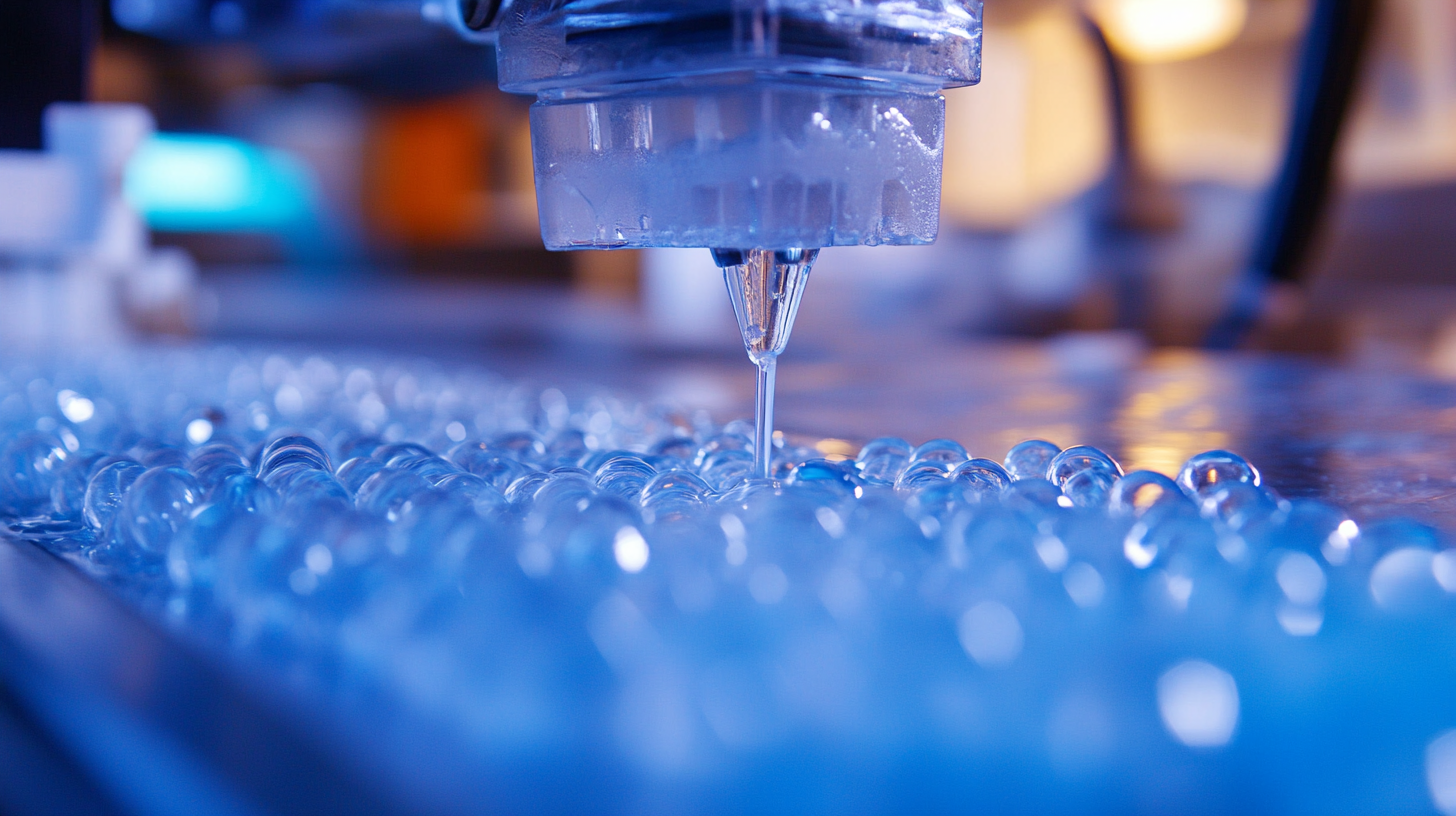
Alright, so if you're diving into PVC silicone applications, it’s super important to get a grip on the factors that really affect adhesion. You see, both PVC and silicone have their quirks that need some attention—like compatibility, how surfaces are prepped, and the environmental vibes when you're working. PVC is a thermoplastic, which means it has this low surface energy that could stand between you and a solid bond if you don’t tackle it right. A little surface treatment with primers or even roughing it up mechanically can do wonders, increasing interaction and surface area to boost that bond strength.
Oh, and let’s not forget about picking the right adhesive! PVC silicone glues are specifically designed to give you that flexibility, chemical resistance, and overall durability you want, so they’re great for everything from car parts to home items. If you’re sourcing materials on a global scale, it’s key to be aware of the performance differences in various formulations—especially with how temperature changes and moisture can mess with things. Plus, the curing time and method (you know, whether you’re using heat or just letting it sit) can really affect how fast you’re able to get products out and how long they’ll last.
Plus, those pesky environmental factors like humidity and temperature when you’re applying the glue can really make a difference in how well everything sticks together. You want to keep things in the sweet spot for curing to make sure the adhesive does its job. And then, there’s the risk of contamination from dust, oils, or other residues—trust me, that stuff can seriously mess with the bond. By keeping an eye on these crucial points, both manufacturers and buyers can score better results with their PVC silicone projects, which means happier customers and more reliable products.
Alright, when you’re trying to pick out the best gear for using PVC silicone glue, there are a few things you really need to think about to get the best results. Honestly, how well the glue works depends a lot on how you apply it—like whether you’re going for a drop method or using injection molding. I've read some industry reports that say if you've got the wrong equipment, you could end up wasting materials and not getting strong bonds, which just emphasizes how important it is to know what you need for each type of job.
When it comes to dropping PVC silicone glue, you really want equipment that can dispense the glue precisely. Good quality systems can help you use less material and stick better. Some reports point out that automated systems can cut waste by as much as 30% compared to doing it manually. Plus, the size and shape of the nozzle you choose? They can make a huge difference in how the glue is applied, so matching your gear to what you’re working on is pretty crucial.
Now, if you’re into injection molding, that’s a whole different ball game. You’ll want equipment that keeps temperatures and pressure levels stable for those solid bonding results. It’s been suggested by studies that keeping the temps just right during injection can really boost the bond’s strength, making it last longer. And picking the right mold for that silicone glue is also a big deal since the mold design affects how the glue flows in. So, yeah, if you’re a buyer looking for global options, getting a grip on these dynamics can really help you make smarter choices when you’re sourcing.
You know, with how fast things are changing in the world of PVC silicone glue, buyers around the globe are really starting to face some common hurdles—especially when it comes to performance and durability. Just take a look at the new silicone-based sealants that have hit the market; they really emphasize how important it is to adapt to specific environmental needs. For instance, there are adhesive solutions made for cryogenic environments, which definitely highlight the need for materials that can stand up to extreme conditions. This is super important for industries that operate in those kinds of situations.
And here’s another thing: maintaining photovoltaic (PV) modules has turned into quite the challenge lately, particularly because of those degrading backsheets. Recent studies show that flowable silicone sealants can actually provide solid repair and preventive maintenance solutions for PV modules, helping them last longer and work better out there in the field. As the demand for silicone adhesives keeps rising, thanks to the advancements in materials science and engineering, manufacturers really need to step up and tackle these pressing issues with some creative solutions.
According to industry reports, the call for adhesive technologies—including those silicone versions—is expected to grow quite a bit as companies look for strong solutions for various applications. The cool thing about silicone polymers is their versatility; they can actually replace less sustainable options like PFAS, paving the way for greener choices. So, as global buyers navigate these challenges, keeping up with the latest advancements and specialized options in PVC silicone glue will be super important for staying ahead in their markets.
You know, efficient cooling really plays a big role in the injection molding process. It can make a huge difference in product quality and how quickly things get done. I mean, studies have shown that using the right cooling methods can actually slice cycle times by as much as 25%! That’s a pretty big deal because it means higher productivity and lower manufacturing costs. One of the cool advancements in this area is the use of conformal cooling channels. They really help by spreading out the temperature more evenly in the mold, which not only boosts cooling efficiency but also cuts down on those pesky defects that happen due to thermal variations.
And let's not forget about the materials we're using these days in injection molding. They've really evolved, and with so many manufacturers going for high-performance polymers, we’ve got to stay on top of the thermal properties of these materials. Reports suggest that if companies embrace these innovative cooling techniques, they might see an energy efficiency boost of around 30%! That’s great for helping meet sustainability goals while still cranking out quality products.
As the industry keeps moving forward, it’s going to be super important to focus on integrating modern cooling technologies. Companies really need to stay competitive, and that means investing in R&D to fine-tune these systems. Plus, with events like NPE2024 just around the corner, manufacturers have a fantastic chance to show off their latest advancements and swap ideas on the best practices out there. It’s all about ensuring that cooling systems keep up with the increasing demands of injection molding, right?
You know, when we talk about the future of PVC silicone glue technology, it’s looking pretty exciting! Thanks to some pretty impressive strides in materials science and the growing push for automation across industries, things are definitely on the up and up. So, there’s this report from MarketsandMarkets that predicts the global silicone adhesives market will hit around USD 6.32 billion by 2026. That’s a 5.3% annual growth rate since 2021! Quite the jump, right? This growth is largely driven by the need for high-performance adhesives in areas like electronics, automotive, and construction, which is where the action's really at.
Manufacturers are really catching on to the benefits of using PVC silicone glue in injection molding. They’re enjoying some major efficiencies! I mean, integrating these glues boosts bonding strength and thermal stability, making products a lot tougher against environmental challenges. Plus, there's a recent study from Allied Market Research that points to a growing trend with hybrid adhesives. These combine the best of both silicone and PVC worlds, and it sounds like this segment is set to take off—think of everything from car parts to everyday consumer goods!
And let’s not forget about sustainability—it's slowly becoming a big deal. More companies are on the hunt for eco-friendly adhesive options. Grand View Research recently mentioned that we're starting to see innovations in bio-based silicone derivatives coming into play. They’re creating greener alternatives that don’t sacrifice performance. The focus on low-VOC formulations isn’t just about following the rules; it’s also about responding to a growing consumer demand for greener products. So, with all this tech innovation, sustainable development, and a wider variety of applications, it looks like the future of PVC silicone glue is set to shake things up across various industries!
The essential factors influencing adhesion include compatibility between materials, surface preparation, environmental conditions, selection of the right adhesive, and curing methods.
Surface preparation enhances bond strength by increasing surface area and promoting chemical interaction, which is crucial due to PVC's low surface energy.
The right adhesive is pivotal as PVC silicone glues are specifically formulated for flexibility, chemical resistance, and durability, suitable for various applications.
Humidity and temperature during application are critical as they can affect adhesive effectiveness and bond quality.
Contamination from dust, oils, or residues can compromise the adhesive's effectiveness, making surface cleanliness essential for successful bonding.
Innovations include specialized silicone-based sealants for cryogenic environments and flowable silicone sealants for the maintenance of PV modules.
The demand for adhesive technologies, particularly silicone variants, is projected to rise as companies look for robust and sustainable solutions.
Temperature fluctuations can influence both the curing process and the final properties of the adhesive bond, impacting durability and reliability.
The curing time and method, whether using heat or ambient conditions, significantly affect the speed, quality of the bond, and overall product longevity.
The versatility of silicone polymers allows them to replace less sustainable materials like PFAS, promoting more environmentally friendly options in adhesive applications.