Leave Your Message
Consumers are increasingly demanding large-scale customization in an environment where competition prevails for products. It has been estimated that around 70% of customers surveyed by McKinsey & Company are willing to pay for tailored offerings, signaling a clear change in customer expectations. This makes it essential for industries to align their supply chains with customization in mind; thus identifying dependable suppliers is a crucial success factor. The management of such supplier relations will enhance service offerings and provide the company with a competitive edge within its industry.
At Dawning Haze ornament CO., Ltd., we consider smooth supplier relations to be an important factor for achieving excellence in Large-Scale Customization. We have the philosophy of 'Customer Paramountcy, Quality First', and our search is for suppliers that cohere to these standards. Good suppliers are therefore an asset to the constantly-changing handicraft world since they help provide fine craftsmanship, timely delivery, and new ways of production. According to Deloitte, companies that practice strategic supplier management realize an improvement of 25% in operational efficiency. In this light, identifying potential strategic suppliers and working closely with them is a key task for any company that intends to excel in customization.

Reliable suppliers are one main concern in large-scale customization. They are the backbone of your operations by providing the materials and components needed to deliver tailor-made products to your customers. Their reliability impacts production schedules, quality control, and perhaps most significantly, customer satisfaction. Thus, suppliers that should be dependable-at-all-times allow businesses to run without disruptions and respond to market needs. The possibility for innovation and agile applications in customization is heightened through collaborative relationships with reliable suppliers. An established supplier will have the ability to guide you with information about new materials or techniques that could benefit your product line. Such a collaborative spirit could lead to uncommon solutions that distinguish your brand amid the competition. On the other hand, unreliable suppliers will present a danger to your workflow, quality, and image at large; hence the need to invest time in vetting potential partners. While making the supplier selection, the company should look for suppliers with the history of delivery and quality assurance. Also, the company should put in place an open channel for communication coupled with proper expectation setting. With the right set of suppliers, not only do you improve the operational process, but you also enhance your capability to deliver customized solutions that fit your market. The right suppliers will serve you from ideology up until implementation, keeping you one step ahead of competition in your line of business.
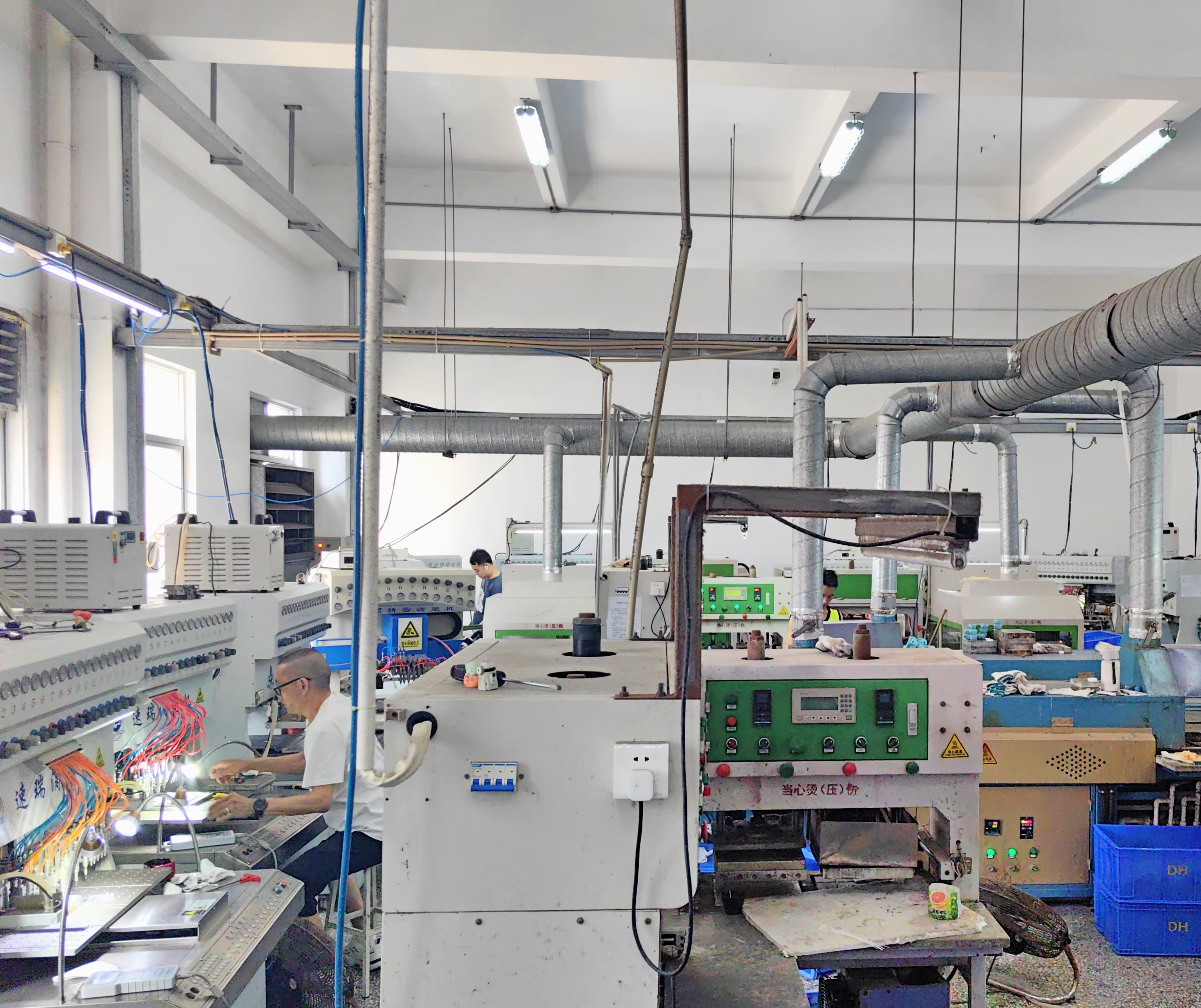
When you seek out competent suppliers for large-scale customization, many factors must be considered that can significantly affect the operational efficiency and effectiveness of your supply chain. Foremost among them would be the experience and expertise of the supplier in the targeted industry. A supplier with a history of providing quality customized products can give invaluable insights and present innovative solutions tailored to your peculiar needs.
Scalability is another realm that should be thoroughly scrutinized. Your partner must be able to adjust to your increased customer demands as your business expands without sacrificing quality. The right supplier will have the needed manpower, technical know-how, and flexibility to expand their capacities according to demand, thereby ensuring smooth flow of goods. Evaluate their capability when assessing technology, more on process optimization for automation and design technology /printed circuit board design technologies, to maximize efficiency gains and shortening lead times.
The other reason for consideration is the provider's record of commitment to quality assurance and regulatory standards. Therefore, a good supplier should have stringent internal quality control procedures and adhere to established processes. As well as on-site audits, leveraging on-the-ground insight of key sites can enhance the consumer's image on their operations. Through selection and engagement of suppliers based on these several simple factors, you will be able to make intelligent decisions that are prospected to align for good long-term growth.
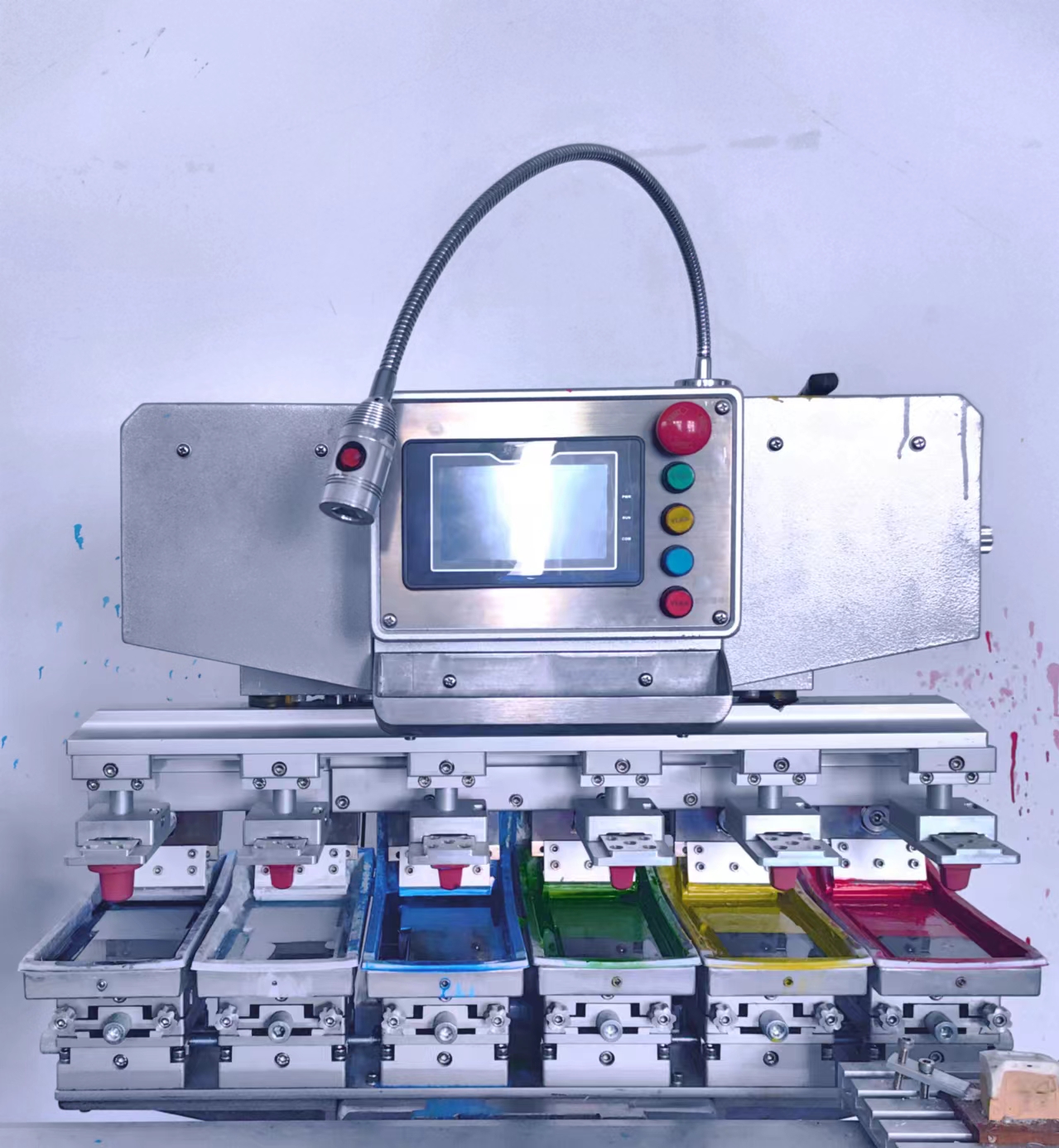
For large-scale customization, the first thing is to have a good relationship with the suppliers you choose. Trustworthy suppliers function not just as vendors of such products and services but as strategic partners that will be able to understand the nuances of your business. The start of building this relationship comes from open lines of communication. This creates a transparent environment where the needs, expectations, and barriers are discussed. This ongoing dialogue will definitely align common objectives on which both will be held accountable by the supplier to help them understand and meet these exact requirements in a better way.
Suppose there's a really important factor that plays a huge role in the supplier-supplier relationship - trust. Try to know what is under the horizonal plane in your supplier and reciprocated level of transparency. Usually, that can make sense with problem solving during hard times. With that, basic supplier-supplier relationships become mutually respected partnerships in every success. Once they feel appreciated in whatever valuable they contribute, they feel even more motivated to go out of their way for anything from innovatively providing solutions to changes in their processes to even addressing your very specific customization needs.
And lastly, recognition and appreciation could do wonders for that relationship. Celebrating successes, giving feedback on what went well, and being flexible in negotiations will help keep a healthy atmosphere. To come together on specific goals will not only strengthen your relationship but also contribute to better returns in your projects. In a few short years, great relationships will serve the purposes of further developing continued success in large-scale customization.
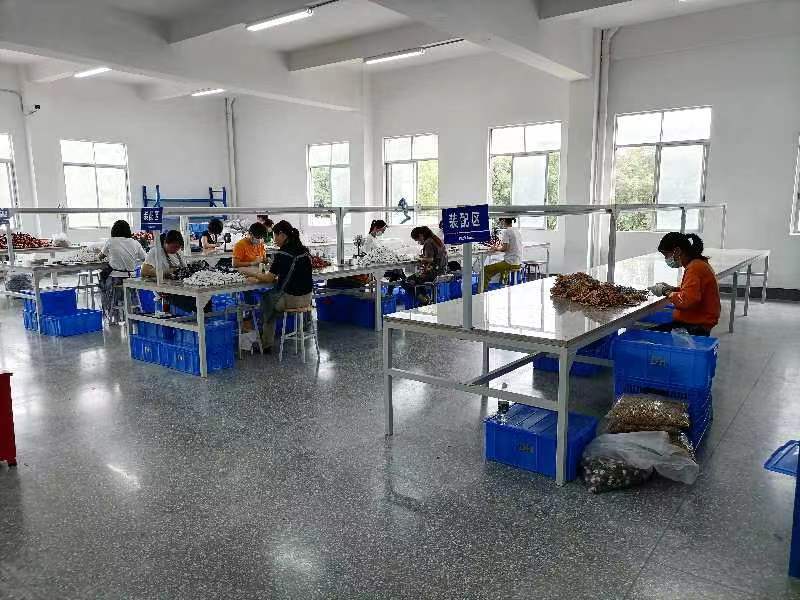
Third-party suppliers are becoming crucial for identifying suppliers for large-scale customization in the present and ever-changing commercial environment Supply chain managers have to make a checklist of suppliers, covering their most relevant issues, namely product safety, regulatory compliance, and sustainable practices.
A Global Supply Chain Institute report narrates that 67 percent of businesses have admitted to having trouble with transparency in their supply chains with regard to evidently changing regulations, such as the new self-certification requirement for software suppliers introduced by the U.S. government. This requirement essentially entails documenting adherence by the developer to safe software development frameworks, lending itself to the reliability of suppliers in matters related to product safety. These regulatory considerations should become incorporated into the supplier evaluation checklist so that companies can have a means for managing the risk of non-compliance.
In addition, as demonstrated in the OECD's Supply Chain Competitiveness report, sustainability has become synonymous with sourcing in the EU and U.S. markets. The report indicated that as much as 70 percent of the companies surveyed integrate sustainability criteria into the supplier assessment process. This not only secures supply chain resilience but also caters to consumer expectations regarding ethical sourcing. Hence, parameters that are arguably the fastest route to sustainability and ethical practice should be given priority.
On the other hand, companies should be on guard against export controls tightening due to heightened geopolitical tensions, as in the recent case of some semiconductor companies. Such measures could have ramifications throughout entire supply chains. Thus, a good supplier evaluation checklist should look into how well a supplier can deal with and adapt to geopolitical challenges so the firm can steer through complexities of compliance without being obstructed in its core business activities.
It has become necessary for modern enterprises to adopt technology as one of the requisites of supplier discovery and assessment, especially for those looking at wide-scale customization. Digital tools and platforms enable businesses to not only locate potential suppliers but also evaluate their reliability in terms of their fit with specific needs. The transformation resulting from this technological shift optimizes a streamlined, more efficient selection process for potential suppliers, reducing risks and enhancing supply chain resilience.
The supply discovery process starts with advanced search algorithms and data analytic applications that assist any enterprise to conclude along with an adequate assessment of suppliers. Machine learning-equipped platforms allow businesses to use both historical and real-time data as well as customer reviews and compliance records in analyzing supplier performance. This way, it helps businesses to make informed decisions aligning their operations with suppliers who can deliver quality and consistency at scale.
Accompanying discovery is assessment. With the use of technology-enabled assessment instruments, firms can assess real-time supplier performance and monitor KPI and other evaluated factors before further assessments over time to ensure sustained reliability. Via digital dashboards and reporting systems, organizations now have decision-makers with what is needed to real-time adjust their supply strategies-difference from deepening collaborations with most trusted suppliers to establishing decades of innovative success.
Negotiating terms and conditions with suppliers is indeed a very crucial component that ensures the successful large-scale customization of any industry. Recently, a report published by Deloitte claims that proper negotiations with suppliers can offer a deduction of up to 20% in costs, which can really make a difference in the feasibility of any project. Nevertheless, understanding the details of supplier capabilities offers much more potential than relating those capabilities to core needs for customization.
This, first, requires the parties to develop a culture of openness and mutual respect. Negotiation is more comprehensive than price and delivery schedule; it also covers quality assurance and flexibility of customization changes. According to a survey held by the Institute for Supply Management, companies that have extensive supplier relationships have reportedly enjoyed better performance with a 30 percent increased performance efficiency. Thus, therefore, they are benefits for an organization investing in opening strong channels of communication and what is called healthy expectations.
Additionally, taking advantage of data analytics in negotiation will result in giving businesses the knowledge of trends in the market and supplier performance. Around 25% of improvement in negotiation outcomes is within the grasp of companies that base their negotiations on data-driven decisions, according to McKinsey. This will assist the firms in finding ways for suppliers to meet their needs better regarding the negotiated terms being both real and better. Companies can also have a reliable supplier who would exceed expectations in customization capabilities.
The large-scale customization mainly depends on growing long-term relationships with trustworthy suppliers, which makes monitoring supplier performance a must-not just as a transactional necessity but more so as a strategic endeavor to maintain the sustainability of these partnerships. Effective performance metrics ensure that the supplier reacts to the firm by complying with requirements for quality and delivery on time, which is a core competitive advantage.
Various industries have witnessed a recent trend toward enhanced use of advanced technologies for supplier monitoring. Such rise of artificial intelligence and cloud solutions for market performance analysis and monitoring of suppliers in real-time is gaining considerable value. For example, in the automotive area of strategic collaboration, Guident and XRF are working together to be at the forefront of rethinking how companies are utilizing software solutions in monitoring. Such partnerships streamline processes and help in the infusion of new technologies to develop a resilient supply chain that responds to customization requirements.
In addition, firms should remain in close contact with their suppliers, creating constant feedback loops. This proactive approach will permit the identification of problems at an early stage while also enhancing the culture of transparency. Thus, as given industries continue to change with attendant new demands, a holistic approach to assessing supplier performance will give firms the advantage of nurturing reliable alliances as a strategy for attaining long-term prosperity in large-scale projects massively dependent on customization.
In systems of large-scale customization, the inherent challenges stand to either make or break the project. In a report by McKinsey & Company, it has been established that customization leaders attain profit margins as much as 20% over standard offering companies. The unlocking of this potential demands a supplier network that can provide scalable processes in conjunction with varying unique demands.
One of the primary hurdles in large-scale customization is fulfilling diverse consumer preferences while managing costs. Research by Deloitte suggests that 36% of manufacturing companies are struggling with customizing flexible production systems that lie at the very heart of customization. Selecting suppliers that are adaptable and, preferably, those that are technologically advanced can help in easing this difficulty. A supplier experienced in smart factories, for instance, can leverage solutions to increase production flexibility and lower lead time.
In addition, proper communication between the company and the supplier is very critical. Putting together good partnerships helps to navigate through the complications around logistics, quality control, and production timelines. Aberdeen Group research states organizations that have collaborated with suppliers realize a 25% improvement in operational efficiency. Therefore, it is worth investing time to identify suppliers who have good communication and willingness to collaborate, as this influences the success of any large-scale customization project.
To summarize, as industries shift toward offering personalized products, the right supplier relationships will become crucial. The focus now has to be on suppliers who can multitask between keeping up with customization demands and innovating along with them to find robust solutions around challenges.

Strong relationships with suppliers are vital because they act as strategic partners who understand the nuances of your business, allowing for better alignment of goals and enhanced customization capabilities.
Open communication fosters a transparent environment where both parties can discuss needs, expectations, and challenges, which helps align their goals and ensures that suppliers are equipped to meet specific requirements.
Trust is crucial in supplier relationships as it allows for collaborative problem-solving, deepening the partnership and encouraging suppliers to go the extra mile in meeting customization needs.
Cultivating a relationship based on transparency and mutual respect, discussing not just pricing but also delivery timelines and quality assurance, and leveraging data analytics for insights can enhance negotiations.
Data analytics can provide insights into market trends and supplier performance, empowering businesses to make informed decisions that enhance negotiation outcomes and ensure suppliers align with their needs.
Monitoring supplier performance ensures that they meet quality standards and adhere to timelines, which is crucial for maintaining competitive advantage and fostering sustainable partnerships.
Advanced technologies such as artificial intelligence and cloud-based solutions can enhance the ability to track and analyze supplier performance in real-time, improving supply chain robustness.
Consistent communication and feedback loops help in early detection of potential issues and promote a culture of transparency, which contributes to stronger supplier relationships.
Recognizing and acknowledging supplier contributions creates a positive atmosphere that strengthens the relationship and encourages suppliers to provide innovative solutions that meet customization needs.
Companies with robust supplier relationships have reported up to a 30% increase in performance efficiency, highlighting the benefits of collaboration and open communication in achieving mutual success.