Dawning Haze Catalog
Leave Your Message

Send URS files

0%

Looking ahead to 2025, it’s pretty clear that the world of global manufacturing is on the verge of some serious changes, mostly driven by digital trends. The role of an International Manufacturer has never been more important or exciting. These days, companies are really diving into new tech like AI, IoT, and automation—things that help boost productivity while also being kinder to the environment. According to a recent McKinsey report, about 70% of manufacturers plan to incorporate advanced digital tools into their operations by 2025. That’s a massive shift toward smarter, more connected manufacturing processes.

Top International Manufacturers to Watch in 2025 Digital Trends

Industry expert John Smith from Global Manufacturing Insights puts it well when he says, “The Manufacturers of the future won’t just be good at running their operations — they'll also lead the way in digital innovation and eco-friendly practices.” That really sums up the big challenge for manufacturers: handling complex global supply chains while also pushing for sustainability.

As we check out the top ten International Manufacturers to keep an eye on in 2025, it’s interesting to see how they’re using digital transformation to stay ahead. These leaders aren’t just keeping up—they’re setting the rhythm for others in the industry. Their strategies will shape trends and spark innovations that are key to keeping the economy resilient in this digitally evolving world.

Emerging Digital Technologies Shaping Manufacturing by 2025

As we look ahead to 2025, several emerging digital technologies are poised to reshape the manufacturing landscape significantly. One of the most transformative trends is the integration of artificial intelligence (AI) and machine learning into production processes. These technologies enable manufacturers to optimize operations by predicting equipment failures, enhancing quality control, and streamlining supply chain management. By analyzing vast amounts of data, AI can facilitate more informed decision-making, improving efficiency and reducing costs.

Another critical development is the increasing adoption of the Internet of Things (IoT) within manufacturing environments. Connected devices allow for real-time monitoring of machinery and production lines, enabling manufacturers to gather actionable insights and make data-driven adjustments promptly. This connectivity fosters a more adaptive and responsive manufacturing ecosystem, which is essential in today's fast-paced market. Additionally, the rise of augmented reality (AR) and virtual reality (VR) technologies is set to enhance training and maintenance processes, thus improving workforce capabilities and operational safety.

Lastly, the focus on sustainability will likely drive innovation across the industry, with digital solutions helping manufacturers minimize waste, optimize resource usage, and transition to greener practices. As these technologies evolve, they are not merely accessories but rather core components that will define the competitive landscape in manufacturing by 2025.

Predicted Market Growth Rates for Key Digital Trends in Manufacturing

The digital twin technology is set to significantly drive market growth in the manufacturing sector by 2025. By enhancing simulation design and utilizing high-resolution modeling, companies can achieve precise manufacturing processes. This advancement fosters innovative applications such as product design and predictive maintenance, allowing manufacturers to optimize operations and reduce downtime. The digital twin market is expected to grow from $20.82 billion in 2024 to $238.88 billion by 2031, with a remarkable compound annual growth rate (CAGR) of 41.70%.

Tips: Embracing digital twin technology will enable manufacturers to simulate different scenarios, leading to better decision-making. Additionally, investing in predictive maintenance solutions can enhance equipment reliability and minimize unplanned outages, which are crucial for maintaining competitive advantages.

As industrial sectors increasingly adopt digital thread concepts, gaining insights from data becomes essential. Structuring both structured and unstructured data will further support growth in smart manufacturing. Companies should focus on integrating IoT, big data, and AI to fully harness the potential of digital transformation and ensure future success in an evolving landscape.

Top Five International Manufacturers Leading Digital Transformation

Top International Manufacturers to Watch in 2025 Digital Trends

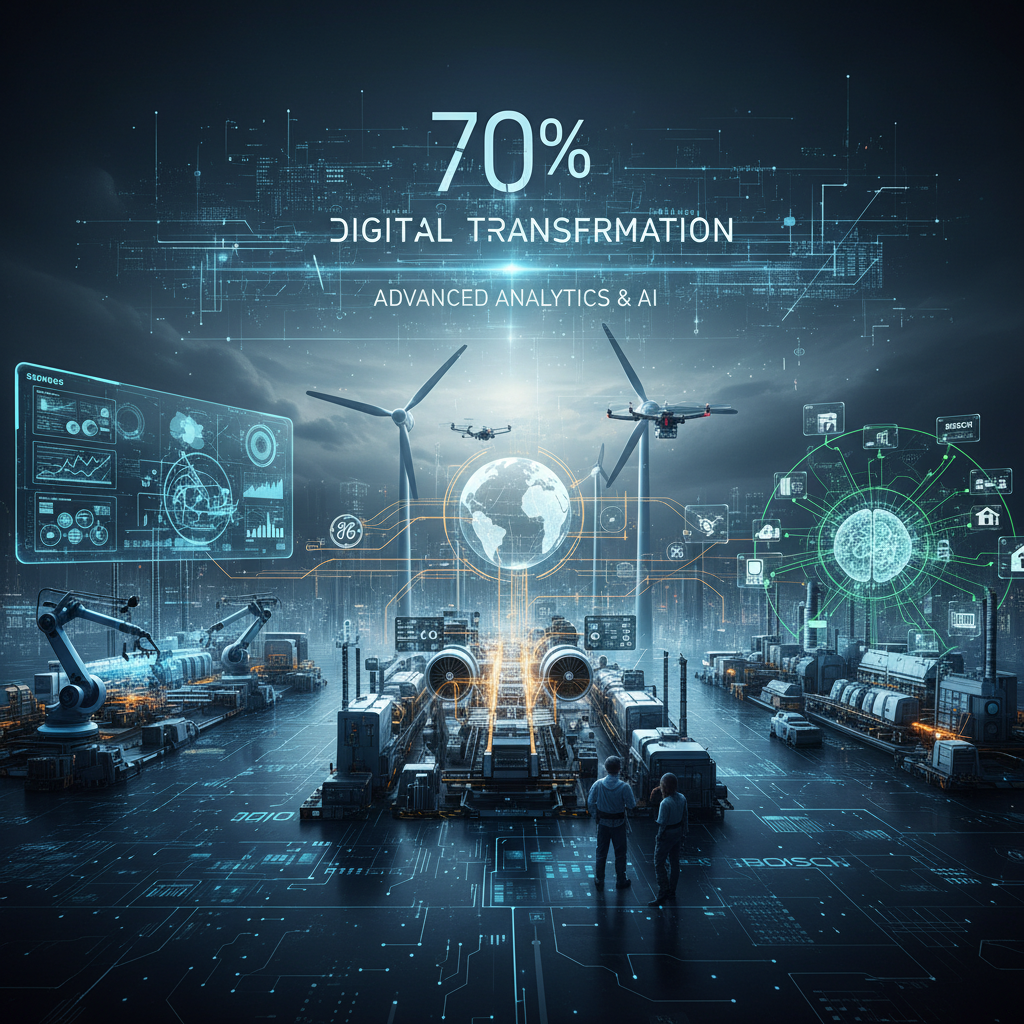
As we approach 2025, the digital landscape is rapidly evolving, and certain international manufacturers are leading the charge in digital transformation. Among these frontrunners are companies like Siemens, GE, and Bosch, which have harnessed cutting-edge technologies to streamline operations and enhance customer engagement. According to a recent report by McKinsey, 70% of companies are prioritizing digital transformation, with advanced analytics and AI at the forefront of their strategies. These manufacturers exemplify how effectively integrating digital tools can lead to significant productivity gains and improved product quality.

Tip: Embrace a culture of innovation by encouraging collaboration between IT and operations teams. This synergy can foster more effective digital strategies and unlock new growth opportunities.

Furthermore, Toyota and IBM are notable players in this digital shift, focusing on sustainable manufacturing solutions and the implementation of IoT technologies. A report from Gartner indicates that by 2025, over 75% of manufacturers will invest heavily in IoT solutions to enhance supply chain transparency. This showcases how digital capabilities not only improve operational efficiency but also drive sustainable practices within the sector.

Tip: Regularly evaluate your digital tools and platforms to ensure they align with your strategic goals. Staying agile in your digital investments will empower you to adapt to market changes effectively.

Impact of IoT on Supply Chain Efficiency and Productivity by 2025

The Internet of Things (IoT) is poised to revolutionize supply chain management by 2025, enhancing efficiency and productivity across various industries. With an increasing number of devices connected to the internet, real-time data sharing will empower manufacturers to optimize their operations significantly. IoT technologies enable precise monitoring of inventory levels, allowing businesses to make informed decisions about restocking and logistics. This immediate access to information helps reduce waste and improves resource allocation, leading to cost savings and higher overall efficiency.

Moreover, the integration of IoT in supply chains fosters greater collaboration among stakeholders. Smart sensors and devices can communicate seamlessly, providing insights from suppliers, manufacturers, and distributors. This interconnectedness facilitates proactive problem-solving, enabling companies to quickly identify and resolve bottlenecks, minimize delays, and enhance service delivery. As a result, organizations that leverage IoT technologies stand to gain a competitive edge, driving innovation and improving customer satisfaction as they adapt to the dynamic demands of the market by 2025.

The Role of AI and Automation in Future Manufacturing Strategies

As the manufacturing landscape evolves, AI and automation are becoming pivotal in shaping future strategies. These technologies empower manufacturers to enhance efficiency, reduce costs, and improve product quality. The integration of AI in production processes allows for more precise forecasting, streamlined supply chains, and optimized resource management. Automation, on the other hand, minimizes human errors and increases production speed, making it a key component for companies striving to maintain competitiveness in a global market.

At Dawning Haze ornament CO., Ltd., we recognize the significance of these advancements. Our commitment to "Customer Paramountcy, Quality First" drives us to adopt innovative technologies that align with our ambition to be a leader in the handicraft industry. By leveraging AI and automation, we can elevate our handicraft production, ensuring that we not only meet but exceed the expectations of our global customers. This integration will facilitate seamless export, retail, wholesale, and agency services, positioning us at the forefront of the international manufacturing sector as we look toward 2025 and beyond.

Sustainability Trends and Their Influence on Manufacturing Innovations

As the world increasingly prioritizes sustainability, manufacturers are at the forefront of innovation that accommodates these evolving expectations. The push for environmentally responsible production processes is leading to the adoption of advanced technologies such as automation, IoT, and AI. These technologies not only enhance operational efficiency but also minimize waste and reduce carbon footprints. Manufacturers are harnessing these innovations to create eco-friendly products, thereby appealing to the growing market of environmentally conscious consumers.

Additionally, sustainable sourcing is becoming a critical aspect of manufacturing strategies. International manufacturers are focusing on obtaining raw materials from renewable sources and employing closed-loop systems to recycle waste. This trend not only demonstrates a commitment to environmental stewardship but also drives competitive advantage as consumers increasingly reward brands that prioritize sustainability.

As we look ahead to 2025, it is clear that those manufacturers who successfully integrate sustainable practices into their innovative frameworks will not only lead in their industries but also contribute significantly to a greener planet.

FAQS

: What are the key digital technologies expected to shape manufacturing by 2025?

: Key technologies include artificial intelligence (AI), machine learning, the Internet of Things (IoT), augmented reality (AR), virtual reality (VR), and digital twin technology.

How does AI improve manufacturing operations?

AI optimizes operations by predicting equipment failures, enhancing quality control, and streamlining supply chain management through data analysis, leading to improved efficiency and cost reduction.

What is the role of IoT in manufacturing?

IoT enables real-time monitoring of machinery and production lines, allowing manufacturers to gather actionable insights and make data-driven adjustments, fostering a more adaptive manufacturing environment.

What impact does digital twin technology have on manufacturing?

Digital twin technology enhances simulation design and modeling, allowing for precise manufacturing processes that lead to innovative applications such as product design and predictive maintenance.

Which international manufacturers are leading digital transformation efforts?

Leading manufacturers include Siemens, GE, Bosch, Toyota, and IBM, leveraging cutting-edge technologies to enhance operations and customer engagement.

What are the predicted growth rates for digital twin technology in the manufacturing sector?

The digital twin market is expected to grow from $20.82 billion in 2024 to $238.88 billion by 2031, with a compound annual growth rate (CAGR) of 41.70%.

Why is sustainability important in the context of digital transformation in manufacturing?

Sustainability drives innovation, with digital solutions helping manufacturers minimize waste, optimize resource usage, and transition to greener practices.

How can companies ensure successful digital transformation?

Companies should focus on integrating IoT, big data, and AI while embracing a culture of innovation and regularly evaluating their digital tools to align with strategic goals.

What percentage of manufacturers are expected to invest in IoT solutions by 2025?

According to Gartner, over 75% of manufacturers will invest heavily in IoT solutions to enhance supply chain transparency by 2025.

What is a key strategy for manufacturers to improve their digital strategies?

Encouraging collaboration between IT and operations teams can foster more effective digital strategies and unlock new growth opportunities.

Conclusion

The article "Top International Manufacturers to Watch in 2025 Digital Trends" explores the transformative impact of emerging digital technologies on the manufacturing sector. It highlights predicted market growth rates for key trends such as the Internet of Things (IoT), Artificial Intelligence (AI), and automation, which are set to revolutionize operational efficiency and productivity within supply chains by 2025.

Additionally, it identifies the top five international manufacturers leading the charge in digital transformation, showcasing their innovative strategies. Sustainability trends are also emphasized, illustrating how they influence manufacturing innovations and practices. As Dawning Haze Ornament CO., Ltd. strives for excellence in the handicraft industry, understanding these global trends positions the company to enhance its craftsmanship and services while adhering to its core principles of customer paramountcy and quality first.

Blog Tags:

    Ethan

    Ethan

    Ethan is a dedicated marketing professional at Guangzhou Dalinxis Crafts Co., Ltd., where he leverages his extensive expertise to enhance the company's visibility and reach. With a robust understanding of the craft industry, Ethan specializes in promoting the company's diverse range of high-quality......
    Previous Comprehensive Insights into Sourcing Quality PVC Ornaments for Global Markets