Leave Your Message
It is not overemphasis speaking regarding the use of exact materials within this ever-changing world of manufacturing and craftsmanship. One of these materials is Pvc Silicone glue, mainly in dropping and injection molding processes. Current market information shows that silicone market globally is about to reach USD 18.5 billion by 2025. This trend might denote heightening demand for high-performance adhesives across applications, including construction and automobiles. PVC silicone glue is unrivaled in versatility, extension-realizing fantastic bonding strength, flexibility, and resistance to factors in the environment; hence, it is treasured by artisans and producers alike.
Dawning to Haze ornament CO., Ltd. realizes high-potentional effects of such good-quality materials, such as PVC silicone glue towards the improvement of the handicraft sector. It is "Customer Paramountcy, Quality First" that drives us to source and use these first-rate materials to support our craft production, export, and retail services. As we seek to reach the top in the handicraft industry, let us recognize that knowledge on how to use tools such as PVC silicone glue for dropping and injection molding is also power to our clients as we venture into that area.
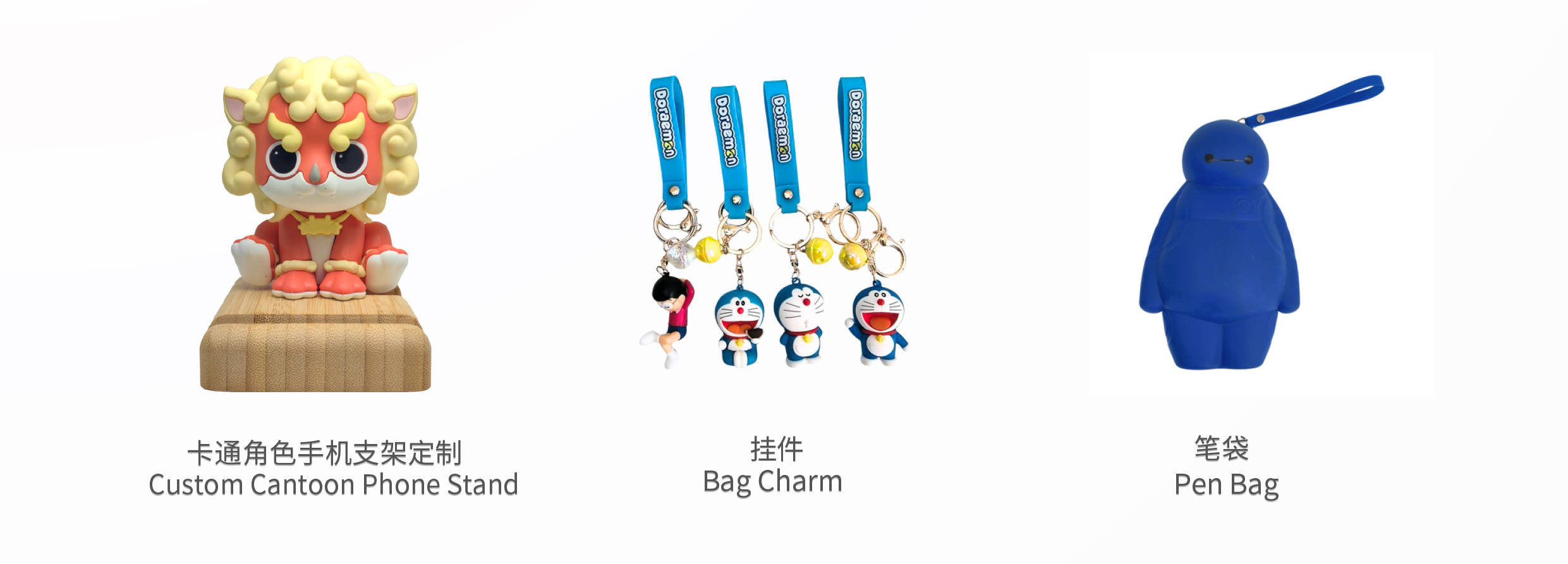
The composition and properties of PVC silicone glue have made it an important member of the adhesive family in the fields of dropping and injection molding. The two main components of this glue-polychloroprene and a silicone-based polymer-endow it with flexibility and toughness so that it can perform under conditions of dynamic movement. Global silicone adhesives, PVC silicone being one of the high-performance adhesives, are estimated to have a market of US$ 4.5 billion by 2025, as per the report from the Adhesive and Sealant Council. The temperature resistance of PVC silicone glue is one of the most startling properties, withstanding extremes of-60°C-200°C. This is a property of great importance when reliable adhesion is required under extreme conditions, such as in the automotive industry or in aerospace manufacturing. PVC silicone glue adheres extremely well to various substrates, including metals, plastics, and composites. This expands its application spectrum. According to a study published in the International Journal of Adhesion and Adhesives, silicone-based adhesives tend to maintain bond strength under aging and thermal cycling, outperforming many traditional adhesives. In addition, ease of application is yet another plus point for PVC silicone glue. It has a very high speed of bonding, above 25 N/mm² bond strength being achieved within 24 hours, which greatly enhances production efficiency. With time being one of the main costs in manufacturing, saving on application time counts over the need for strength. PVC silicone glue thus stands out as an alternative for applications requiring durability and flexibility in design.
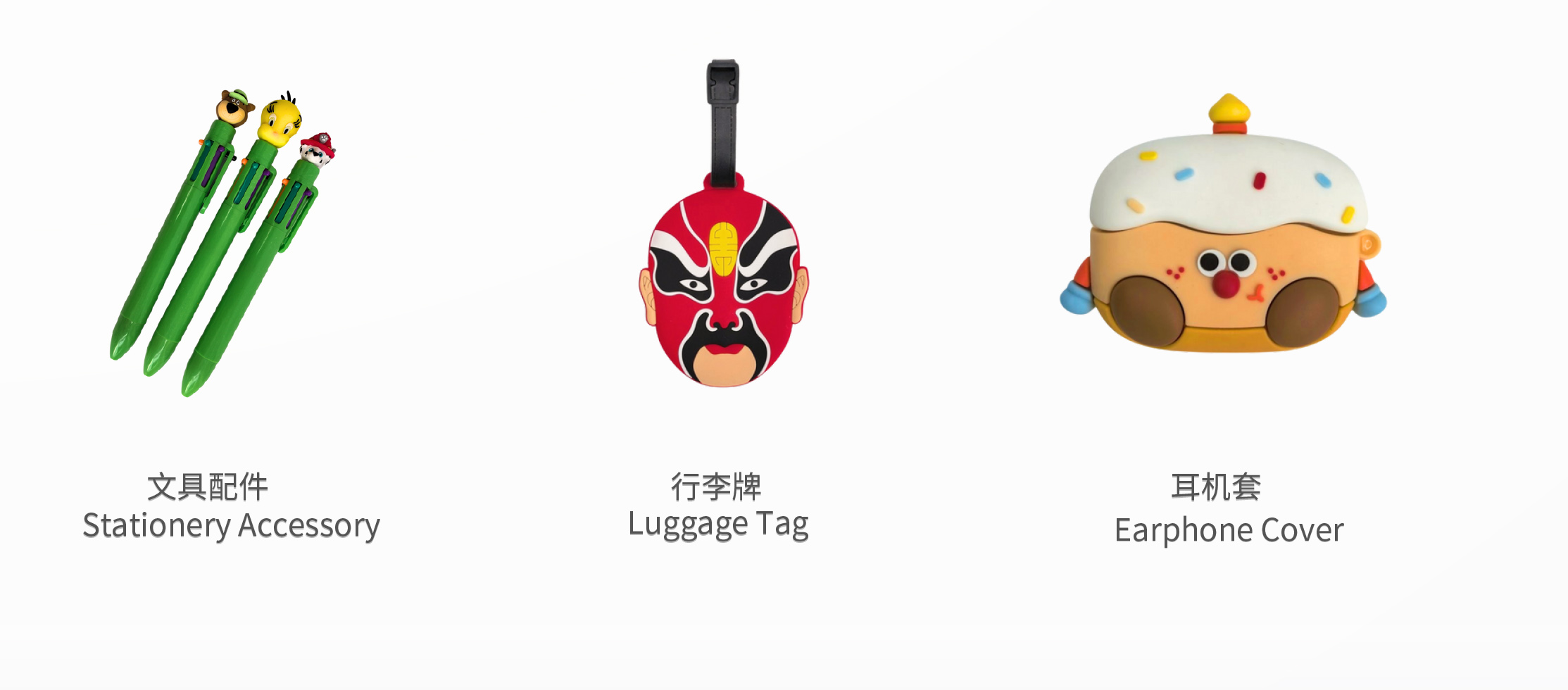
The contribution of PVC silicone glue to the drop and mold filling processes is vital to numerous applications in contemporary manufacturing. Excellent adhesion, flexibility, and temperature resistance have ensured that PVC silicone glue becomes an ideal choice for both drop and injection molding processes. According to Material Science Trends, the global industrial adhesive market, including silicone adhesive types, is on track to reach $21 billion by 2026, which means the appetite for reliable bonding solutions in manufacturing is growing.
During drop applications, PVC silicone acts as a connecting medium between components made of different materials. This type of silicone glue has special features making it bond well with PVC and other plastics for reliable connections resistant to environmental stressors. Some studies suggested that using silicone adhesives can promote the durability of finished products in automotive, aerospace, and consumer goods, where failure rates need minimization. Adhesion efficiency in these configurations is often reported in performance increases, with some illustration indicating assembly times reduced by 30%.
In parallel, in injection molding, the application of PVC silicone glue guarantees proper sealing and attachment of molded parts, providing optimal flexibility as well. Compatibility of PVC silicone with several substrates leads to smoother production cycles and reduced molding operation waste. A current survey by the Adhesive and Sealant Council says manufacturers using silicone adhesives in injection molding have increased their production efficiency by an additional 15%, emphasizing the material's transformative contribution in high-volume settings.
With such combined characteristics, the PVC silicone glue remains a vital constituent in adding quality and efficiency to dropping and injection molding processes, assuring relevancy in the growing demands of the manufacturing industry.
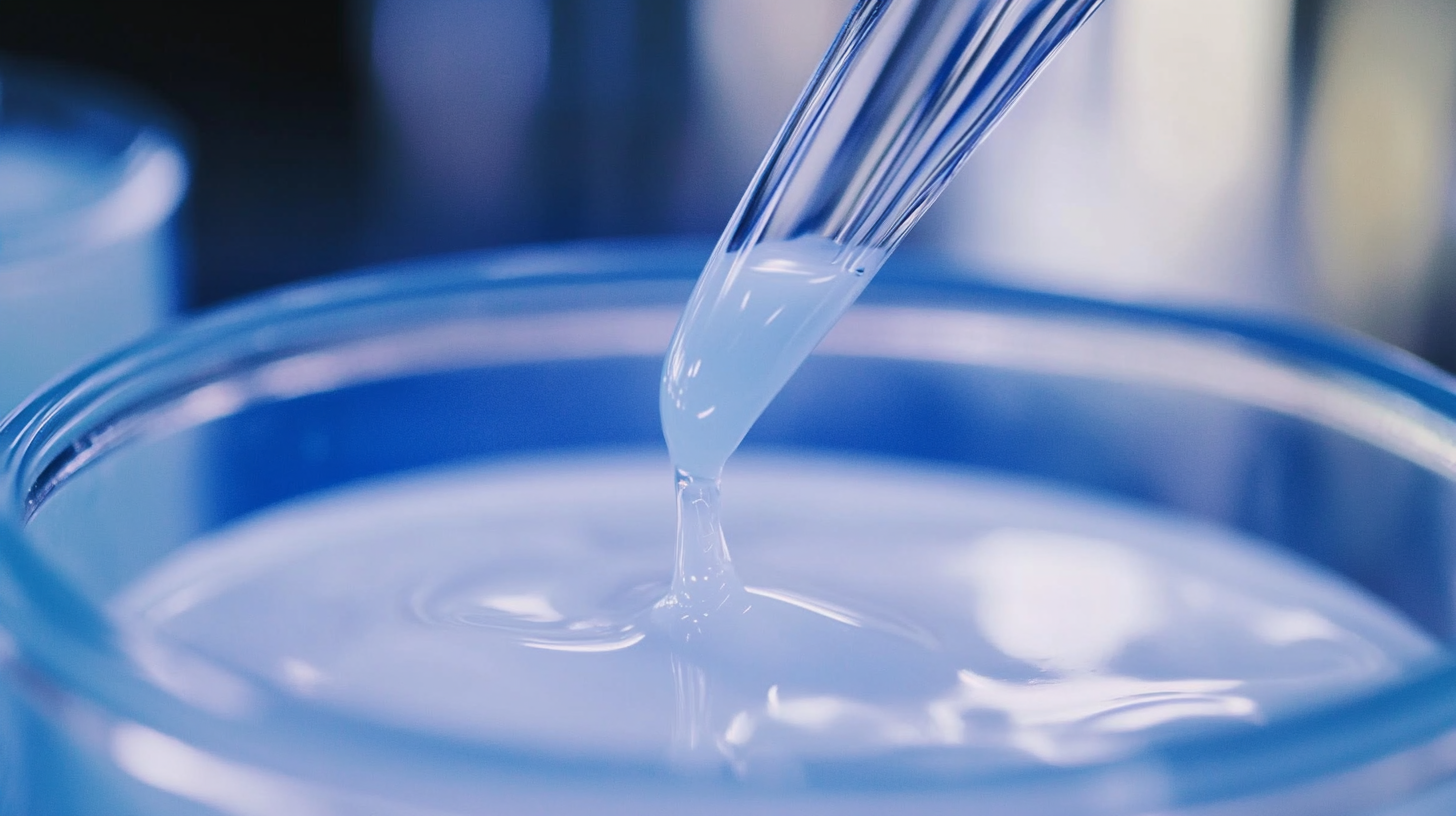
One of the most promising adhesive products used in various industrial applications is PVC silicone glue. This type of glue is remarkable because it meets the required unique demands of production environments. Perhaps the best day-to-day use of this kind of glue is versatility; it can stick so many materials: plastics, metal, ceramic, even glass. This is highly convenient for manufacturers who want to make the workflow leaner and broader without needing many different adhesives.
Besides, PVC silicone glue is known for its exceptional performance even under high temperatures and in a chemical or moist environment. That's important for industrial products because they are exposed to quite harsh conditions. The new production of sustainable materials lies well with the use of PVC silicone glue as more producers are interested in going green without compromising quality or performance.
In addition to its physical characteristics, PVC silicone glue will improve the aesthetics. As industries reinvent their interior and packaging designs, the clear finish of silicone-based adhesives can give products a more attractive overall look for the consumer. In a constantly changing adhesives arena, manufacturers will find inserting PVC silicone into their processes as very functional but at the same time necessary for modern sustainability.
Choosing the correct adhesive, of course, is paramount when assembling and creating. PVC silicone glue was and is still being brought to the forefront for its very peculiar characteristics, especially as compared with other so-called traditional adhesives. The Adhesives and Sealants Industry Report 2023 noted that the silicone adhesives market is projected to reach $3.5 billion by 2025, meaning they are becoming more and more recognized for their advantages over traditional epoxy and polyurethane.
PVC silicone glue is flexible and durable. Epoxies are known for their excellent tensile strengths and may achieve bond strengths of about 6,000 psi, but their use is limited where some degree of flexibility is needed under dynamic loading. In contrast, PVC silicone glue is more forgiving and accommodates the thermal movement of the bond, thus finding particular favor among the automotive and construction industries where the materials are subjected to very different environmental conditions.
Nevertheless, one still has to consider some disadvantages associated with PVC silicone glue. It is highly flexible and water-resistant, but on the downside, its bonding strength can still not compare with that of epoxy, being in the region of 1,500 psi. Furthermore, it tends to cure slowly, which might not always be acceptable in highly automated production environments. A more comprehensive comparison from the Adhesive and Sealant Council determines that although long-term performance of PVC silicones outdoors is excellent, it might not necessarily be the choice for structural bonding when immediate strength is of utmost importance.
In PVC silicone glue dropping and injection molding, proper application techniques are indispensable in attaining an optimal end result. Preparing surfaces to be bonded will further the proper application of passed PVC silicone glue. Cleaning both PVC and silicone materials is critical. The cleansers should consist of surfactants for removing any dust, grease, and contaminants. Appropriate solvent should be used to wipe the surfaces, and the surfaces should then be allowed to dry thoroughly before glue attachment, again because bonds are strengthened.
The application of silicone glue, such as glue for PVC, should be done in controlled and consistent beads or layer covering most sections of contacting surfaces. A caulk gun or applicator with a fine tip can assist to achieve precision. As an example, this will also avoid excessive glue application whereby curing time is longer and ugly during molding. Adhesions are also smooth during injection molding; the glue has to be injected in the perfect smoothness to prevent air pockets that compromise the integrity of the final product.
Finally, allow time for the glue to cure. This is a very crucial step and cannot be rushed. The curing process is essential to strong adhesion. Manufacturer's specifications regarding curing time and conditions should be followed because this varies from one product type to another. It could even affect the environment during cure, like temperature and humidity, for the silicone glue application effectiveness. Following these application techniques will give your molding job fat and long-lasting bonds.
PVC silicone glue used in injection molding can bring its share of problems that eventually affect the production process's efficiency and quality. In troubleshooting these problems, knowledge of the basic characteristics of PVC silicone glue and the difficulties unique to its application in molding would be required. One main problem with laminated products is insufficient adhesion, which is usually attributed to surface contamination or improper surface preparation. Keeping all surfaces clean and in proper condition will help to lessen these problems.
Another clear problem is wasting materials because of poor curing. If the silicone glue fails to cure well, it will lead to defects on the final product. The curing conditions must be controlled for temperature and humidity since these factors strongly affect glue performance. Bubble formation and voids in the mold can also cause the integrity problems of the molded parts. Good housekeeping of the molding machinery and following best practices should help to alleviate these concerns and put the molding operation on the right track.
As efficiency and quality become the more important goals in the industry, all professionals need to be kept abreast on the commonest troubleshooting methods used. Injection molding processing workshops are excellent avenues to familiarize oneself with new materials and techniques to equip molders to solve such problems. Understanding the intricacies of PVC silicone glue will benefit you, whether one already is an expert in the field or is very much an entry-level practitioner.
Developments in materials have introduced changes in dropping and injection molding methods with the advent of new PVC silicone adhesive. They provide not only improved adhesion but also fulfill the growing demand for judicious and very high-performance bonding materials. Recent works indicate an emerging trend from manufacturers trying to innovate for their societal benefits while great consumer preference remains focused on functionality-including environmental consideration-for their demands.
One of the global trends is developing much more efficient dispensing methods for PVC silicone adhesive. Manufacturers continue putting research investments into these adhesives and have emphasized reduced curing times and flexibility improvements. Advanced technology now makes bonding much easier and enhances productivity on production lines while driving down costs incurred by manufacturers.
Indeed, the euphoria for PVC silicone glue goes hand in hand with newer general technological patterns observed in all fields. Within this revolutionary integration of intelligent glues in industries, remains the glimmer of how this methodology gives itself in relation to artificial intelligence and automation. By data-driven programs and machine learning, predictions can be made in real-time on adhesive performance, thus allowing for ongoing optimization of their products. These new applications not only further the development of PVC silicone glue but also put it in a good position to take the industries into the future of smarter manufacturing solutions.
When one is to use glue such as PVC silicone, safety guidelines become paramount for safe environments. According to OSHA, workplace safety measures can decrease accidents from chemical exposure by as much as 60%. Ideal personal protective equipment gloves, goggles, and respirators are definitely required when running PVC silicone glue. Continuous exposure to PVC silicone glue causes respiratory disease and skin irritation.
Ventilation mistake in workspaces is one of the best work practices. According to AIHA, any area using volatile substances, such as silicone glues, should have an air exchange rate of at least 10-12 air changes per hour. This will drastically reduce inhalation risks. Keeping the material in very sealed containers will avoid leaking and will limit the fume exposure in line with the industry reports that advocate for proper storage in avoiding hazards.
The other very important facet of safety is training of workers about the correct use of PVC silicone glue. According to a National Safety Council study, organizations that have invested in extensive training on safety have reduced incidents up to 40%. Regular refresher courses will give knowledge and awareness of the potential hazards and safety protocols necessary to prevent the hazards. By such safety guidelines and best practices, safer and healthier environments will be created at workplaces, thus making PVC silicone glue very efficient in its usage, such as that of dropping and injection molding.
The first step is to prepare the surfaces by cleaning both the PVC and silicone materials thoroughly to eliminate any dust, grease, or contaminants.
The glue should be applied in a controlled manner, using a consistent bead or layer spread evenly across the bonding surfaces, preferably with a caulking gun or fine tip applicator.
Avoid over-applying the glue, as excess can lead to longer curing times and potential mess during the molding process.
The curing process is crucial for achieving strong adhesion, and it should not be rushed; proper curing enhances the durability of the bond.
Recommended PPE includes gloves, goggles, and respirators to protect against respiratory issues and skin irritations from prolonged exposure.
Proper ventilation is important, with an air exchange rate of at least 10-12 air changes per hour recommended to minimize inhalation risks from volatile substances.
Keep the materials stored in tightly sealed containers to prevent accidental spills and minimize fume exposure.
Training on the correct use of PVC silicone glue helps reduce incidents related to chemical exposure, empowering employees with knowledge about hazards and safety protocols.
Implementing comprehensive safety training and following safety guidelines can significantly decrease accidents related to chemical exposure, as shown by various studies.
The curing environment, such as temperature and humidity, should be monitored, as it can impact the effectiveness of the silicone glue.